On August 19, Syrian President Ahmad al-Sharaa signed a presidential decree granting students from Suwayda Governorate an exceptional session to take their basic and secondary supplementary exams. As the majority of Suwayda is under the control of the National Guard (NG), loyal to Israeli-backed Hikmat al-Hijri, students were assigned to take their exams in places under Syrian government control. However, on August 29, students were prevented from reaching the examination centers due to checkpoints set by the National Guard. This has led to students’ protests in the city and official condemnation by Damascus. While approximately 13,000 students are affected by the situation, the two sides are far from reaching a solution. This has shown, once again, that the lack of institutional authorization in Syria affects the people negatively, and it must be addressed. Beyond this, Suwayda is excluded from Syria’s reconstruction agenda and is out of reach of the economic, political, and environmental progress to which the rest of the country is entitled. Although Syria’s progress is not perfect, Suwayda is far more behind in coming back.
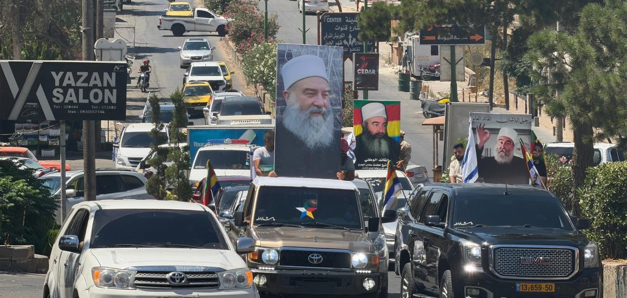
Although the Druze-based militia was active in Suwayda throughout the years of civil war, Hijri gained control of a major part of Suwayda after calling for armed resistance and support from Israel against the government and Bedouin tribes. Then Hijri united various armed groups under a single umbrella, creating the “National Guard”. The same group is also accused of kidnapping and expelling Druze notables because of their political stance (most recently the situation of Atef Hunaidi) and drug trafficking.
While supporting Hijri, Israel conducts daily incursions, arrests individuals, and sets checkpoints in Southern cities of Quneitra, Daraa and South of Damascus under the pretext of securing Israel’s borders from jihadi terrorists. Israel also invaded Mount Hermon just after the overthrow of Assad. There is also a growing civilian movement called “The Pioneers of Bashan”. The movement claims historical rights on biblical “Bashan”, an area extending from southwestern Syria to the border of Jordan, and aims to create settlements on Israeli-seized areas.
Hikmat al-Hijri called the Druze in Syria “an integral part of the state of Israel”. But Prime Minister of Israel Benjamin Netanyahu’s declaration that the country is “only for the Jewish people” contradicts Hijri’s statements, and this may create ambiguity and an identity crisis for the people of Suwayda. Given that states have interests over emotional bonds, Israel clearly creates leverage over Damascus by supporting the separatist ambitions in Suwayda.
The Commander-in-Chief of the Syrian Democratic Forces (SDF), who also had ambitions for self-administration in northeast Syria and once ruled approximately 30% of the country, recently announced the organization’s dissolution. In the early times of the Syrian revolution, SDF and Hikmat al-Hijri mutually supported each other through protests in their controlled areas and with words. Now that SDF integration and the northeast’s reconciliation have gained momentum, the south has become the primary focus to reach complete regional stability.
Is SDF-type Integration Possible?
Since Assad’s overthrow in late 2024, Syria’s formerly SDF-controlled regions and Suwayda’s experience and interaction with the new Syrian government have been different. While both saw the revolution as an opportunity, early clashes between the Syrian government and Suwayda-based armed groups created an atmosphere of distrust and laid the foundation for a separatist project in Suwayda, which accelerated with Israel’s airstrikes throughout the country. Although the same distrust affected the SDF’s integration process, the U.S.-mediated 10 March Agreement initiated negotiations between the two sides and delayed clashes for an extended period. On the contrary, no similar agreement or serious negotiations have been possible in Suwayda.
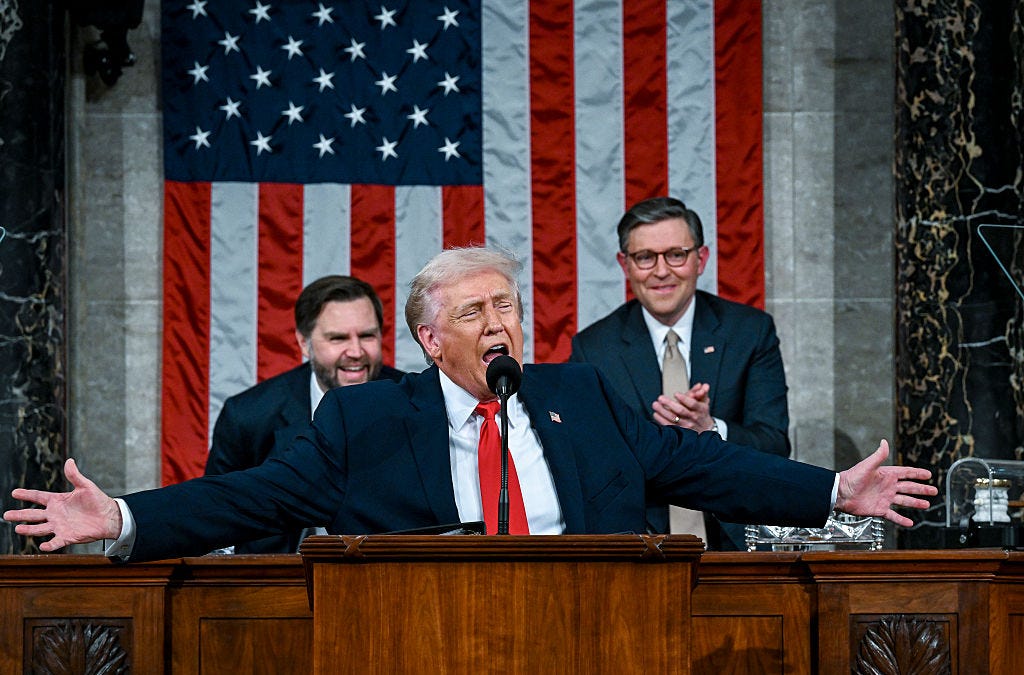
Throughout negotiations with the SDF, Ahmad al-Sharaa’s government strengthened ties with the Trump administration, both diplomatically and economically. After ten months of little-to-no progress and the onset of clashes in Sheikh Maqsoud, the Syrian Government received the green light for an offensive, which led to the SDF’s territorial defeat and the signing of the comprehensive 29 January Agreement. For U.S. foreign policy, this meant the long-supported SDF project ended under the right circumstances, and a years-long partner in Syria was forced to work with the newer partner. Meanwhile, Syria is struggling to reach an agreement with the power behind Hikmat al-Hijri, Israel. While there is no proof that Israel’s support for Hijri will last forever, the disagreement between Syria and Israel will continue to prevent attempts to resolve the situation in Suwayda. Also, it should not be forgotten that the integration file of Syria’s Kurds went in parallel with the “Terror-free Türkiye” process in Türkiye, which aimed to end Türkiye’s years-long battle against the terror group Kurdistan Workers’ Party (PKK). The imprisoned founder of the PKK, Abdullah Öcalan, sent messages to accelerate the “democratic integration” in Syria.
Involvement of Third Parties to Mediate an Agreement
Involving third-party countries or organizations to create buffer zones or serve as guarantors may also be reasonable. The 1974 Disengagement Agreement, signed between Syria and Israel following the 1973 Yom Kippur War, created a buffer zone and maintained the ceasefire until the overthrow of the Assad regime. Although the United Nations Disengagement Observer Force (UNDOF) is still active in the area to monitor and repeated United Nations (UN) warnings about violations of the agreement have been issued, it has not been effective in stopping or slowing the tensions.
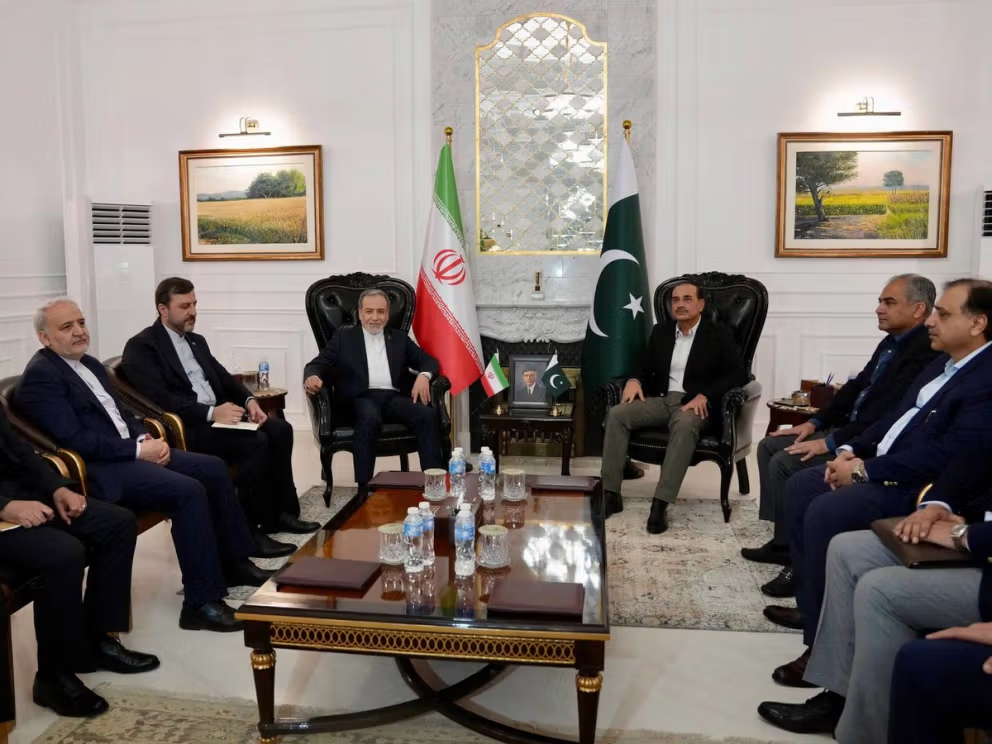
Another attempt to involve a third-party country to the south of Syria came from Russia when a military delegation visited the area after high-level talks in Damascus on 17 November 2025. While Damascus reportedly “coordinated with Moscow to restore a Russian military presence,” Israel viewed it as a threat to its operational freedom.
The country with the highest chance to mediate an agreement and pave the way for peace is the United States. On January 6, a trilateral meeting in Paris established a joint mechanism to “facilitate immediate and ongoing coordination on their intelligence sharing, military de-escalation, diplomatic engagement, and commercial opportunities under the supervision of the United States.” According to the Department of State, talks centered on “Syria’s sovereignty and stability, Israel’s security, and prosperity for both countries.” However, this was undermined when Israel bombed the Abu al-Duhur airport in northwest Syria, claiming that the Syrian government “was on the verge of breaching [the status quo Israel and Syria agreed on] by permitting Turkish troops to deploy at an airbase near Aleppo.” US Special Envoy to Syria Tom Barrack’s statements after the bombing escalated tensions, in which he suggested that the intelligence behind the attack was wrong and its main aim was to bait Türkiye. Days after the attack, Syria and Israel held US-mediated de-escalation talks in Jordan, which reportedly reached a dead end after Syria’s stance on Israeli presence on Mount Hermon.
Conclusion
On paper, Syria and Israel want the same things: border security and de-escalation. On the ground, things are different. To reach a de-escalation mechanism that works, Syria seems to be waiting for the end of Netanyahu’s term, as Israel is going to an election. While Trump recognized the Golan Heights as Israeli soil, this may also be unchanged under the Trump administration. However, the U.S. may draw lines to limit Israel’s freedom of movement in southern Syria and should push for an end to the separatist project in Suwayda. Rather than being split into “areas of influence” among neighboring countries, Syria should grow in cooperation among its neighbors and must not become an area for proxy clashes as it used to be.